

The GLP-1 telehealth landscape shifted dramatically in 2025, and the changes are still rippling through the industry in 2026. If you're operating a weight loss or GLP-1 telehealth program, the regulatory environment you launched in may no longer be the one you're operating in. Understanding what changed, and what's still changing, is critical for survival.
This isn't a legal opinion. It's a practical guide for telehealth operators navigating the new GLP-1 compliance landscape based on published FDA actions, DEA guidance, and industry developments.
The Big Shifts: What Happened in 2025
FDA Shortage Resolutions
The FDA resolved the tirzepatide (Mounjaro/Zepbound) shortage in December 2024 and the semaglutide (Ozempic/Wegovy) shortage in February 2025. This was the pivotal event because it triggered the end of the legal basis most compounding pharmacies were using to produce GLP-1 medications.
Compounding Restrictions
Following the shortage resolutions, the FDA set clear deadlines for compounders to stop producing semaglutide and tirzepatide:
- 503A pharmacies (individual prescriptions): ceased routine compounding April 22, 2025
- 503B outsourcing facilities (larger batches): ceased May 22, 2025
- Compounding is now only permitted for rare, individualized medical necessity; affordability or patient preference alone do not qualify
FDA Warning Letters
In September 2025, the FDA published over 55 warning letters to online sellers of compounded GLP-1 medications. These targeted companies that continued marketing compounded semaglutide and tirzepatide after the shortage resolutions. The message was clear: enforcement is active, not hypothetical.
The SAFE Drugs Act
In December 2025, Congress introduced the SAFE Drugs Act, which would require pre-compounding inspections of 503B outsourcing facilities when introducing new drugs, and biennial re-inspections for facilities compounding more than 100 drug products per year. This represents a further tightening of oversight on compounding operations and signals ongoing congressional attention to the space.
What This Means for Telehealth Operators
If You Were Using Compounded GLP-1s
The business model that relied on compounded semaglutide or tirzepatide as a lower-cost alternative to brand-name medications is effectively over for the vast majority of use cases. Operators who built their programs around compounded GLP-1s need to pivot to one of these alternatives:
- Brand-name medications: Novo Nordisk's Wegovy and Eli Lilly's Zepbound are now widely available. Higher cost per patient, but fully compliant.
- Manufacturer DTC partnerships: Novo Nordisk partnered with Hims & Hers in April 2025 to sell Wegovy direct-to-consumer online. Novo Nordisk terminated the Hims partnership in June 2025 after Hims continued offering compounded semaglutide. Similar arrangements may emerge for other brands.
- Alternative treatments: Non-GLP-1 weight loss programs, lifestyle-based approaches, or different medication classes that don't face the same compounding restrictions.
- Broader service offerings: Adding TRT, HRT, longevity, and wellness services to diversify beyond a single drug class.
If You're Using Brand-Name GLP-1s
If your program already uses brand-name semaglutide or tirzepatide through legitimate pharmacy channels, the compliance changes actually benefit you. The compounding crackdown eliminated a wave of lower-cost competitors, and the remaining market is better positioned for operators who invested in compliant infrastructure from the start.
Your compliance obligations remain the same: proper e-prescribing through licensed providers, fulfillment through licensed pharmacies, LegitScript certification for advertising, and HIPAA-compliant data handling throughout.
DEA Telehealth Prescribing Rules in 2026
Separate from the GLP-1 compounding issue, the DEA telehealth prescribing flexibilities continue to evolve. The COVID-era emergency flexibilities have been extended through December 31, 2026, which means:
- Prescribing Schedule II-V controlled substances via audio-video telehealth without an in-person evaluation remains permitted through end of 2026
- Audio-only telehealth is permitted for opioid use disorder treatment
- Permanent DEA telehealth rules are anticipated before the flexibilities expire
- The Ryan Haight Act's in-person examination requirement is suspended for these categories through the extension period
State-Level Compliance Considerations
Federal changes get the headlines, but state-level telehealth regulations are equally important and vary significantly:
- The Interstate Medical Licensure Compact (IMLC) now covers 43+ states plus DC and Guam (verify current membership at imlcc.org), making multi-state licensing easier but not automatic
- States like New York, California, Florida, and Texas have their own telehealth practice requirements that may be stricter than federal rules
- Some states require specific informed consent disclosures for telehealth visits
- Prescription drug monitoring program (PDMP) requirements vary by state and are increasingly enforced
Building Compliance Into Your Infrastructure
The operators best positioned for ongoing compliance changes are the ones who built compliance into their infrastructure rather than layering it on top. This means:
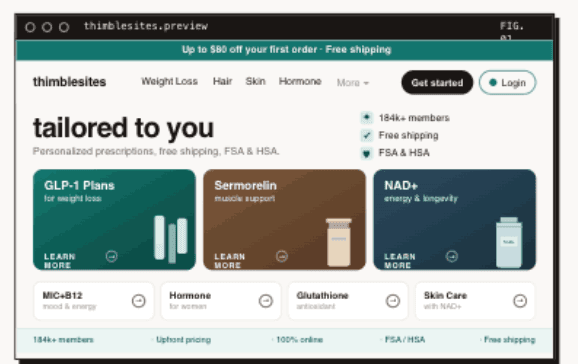
- Modular architecture: If your pharmacy fulfillment needs to change, you can swap that layer without rebuilding your entire patient experience
- LegitScript-certified website: Built for compliance from the ground up, not retrofitted after an application denial
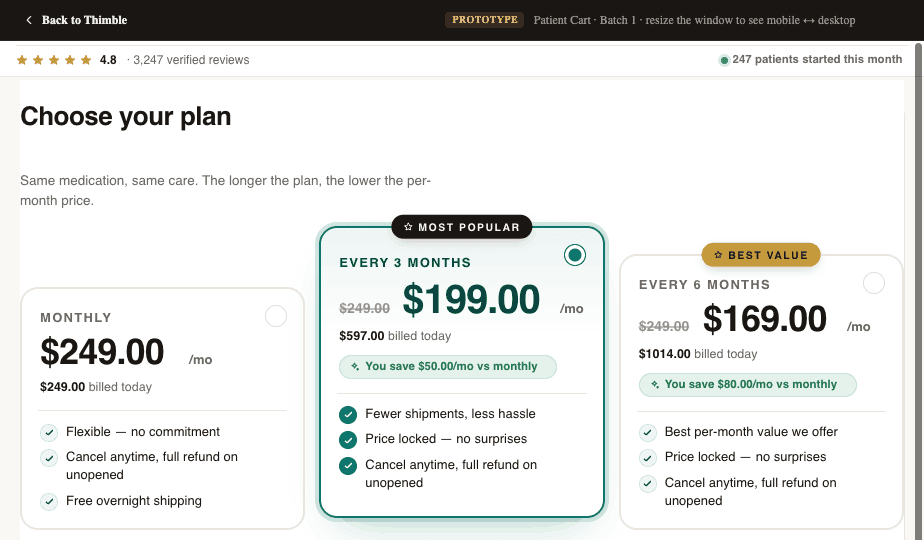
- Flexible checkout: Can adjust plan offerings, pricing, and intake flows quickly when regulations change what you can offer
- Provider network flexibility: Not locked into a single network that may not adapt as fast as you need
- Audit-ready data practices: HIPAA-compliant systems with proper logging, encryption, and access controls from day one
The Bottom Line
2026 is a compliance inflection point for GLP-1 telehealth. The easy-money era of compounded medications is over. The operators who thrive will be the ones with legitimate pharmacy relationships, proper LegitScript certification, diversified service offerings, and infrastructure flexible enough to adapt as the regulatory landscape continues to evolve.
The market opportunity is still enormous. The obesity-specific GLP-1 segment is projected to hit $40+ billion in North America by 2035 (Precedence Research). But the operators capturing that opportunity will be the compliant ones. The regulatory crackdown is clearing the field of non-compliant competitors, which is ultimately good for operators who invested in doing things right.
Frequently Asked Questions
- Can pharmacies still compound semaglutide or tirzepatide?
- Only in rare cases of individualized medical necessity, not for general affordability or patient preference. The FDA resolved both drug shortages (tirzepatide in December 2024, semaglutide in February 2025), which eliminated the legal basis for routine compounding. 503A pharmacies stopped in April 2025, 503B facilities in May 2025.
- Are GLP-1 medications controlled substances?
- No. Semaglutide and tirzepatide are not controlled substances and are not subject to the Ryan Haight Act's in-person examination requirement. However, if your telehealth program also offers services involving controlled substances (ADHD medication, certain anxiety treatments), those services are subject to DEA prescribing rules.
- How do I stay compliant as regulations continue to change?
- Build on modular infrastructure that allows you to adapt quickly. Use provider networks with robust compliance teams. Maintain current LegitScript certification. Work with healthcare attorneys for state-specific guidance. And most importantly, design your tech stack so that changing a pharmacy partner, adjusting treatment offerings, or updating intake flows doesn't require rebuilding your entire platform.
- Can I still prescribe compounded tirzepatide via telehealth?
- In most cases, no. The FDA resolved the tirzepatide shortage in December 2024, which eliminated the legal basis for routine compounding by 503A and 503B pharmacies. Compounding is now only permitted for rare, individualized cases of medical necessity with documented clinical justification, not for affordability, patient preference, or general access. Operating a telehealth program that routinely prescribes compounded tirzepatide after the shortage resolution puts you at serious regulatory risk, as the FDA's 55+ warning letters in September 2025 made clear. If your program relied on compounded tirzepatide, the compliant path forward is transitioning patients to brand-name Zepbound through licensed pharmacy channels or evaluating alternative treatment offerings.
- What is LegitScript certification and do I need it for GLP-1 telehealth?
- LegitScript is an independent certification body that verifies online healthcare merchants meet legal and ethical standards for advertising prescription medications and healthcare services. Google, Meta, and most major ad platforms require LegitScript certification before they will approve ads for telehealth programs, online pharmacies, or prescription drug-related services. If your GLP-1 telehealth program runs paid advertising on any of these platforms, yes, you need LegitScript certification. Operating paid acquisition without it means your ads will be disapproved or your account suspended. LegitScript certification also functions as a credibility signal for patients and pharmacy partners who want to verify your program's legitimacy. Getting certified requires demonstrating that your prescribing workflows, pharmacy relationships, and marketing practices comply with applicable laws.
Building a telehealth brand?
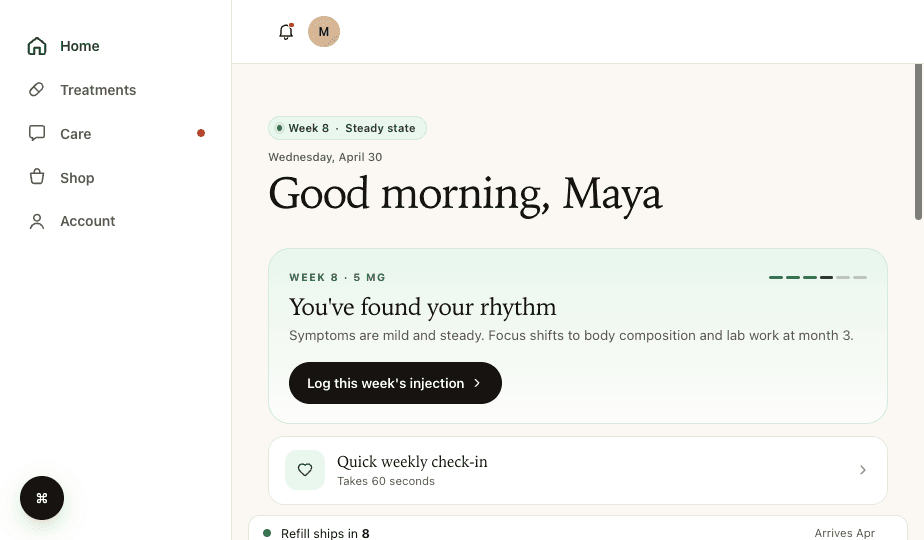
Thimble Hub gives you the checkout, intake, patient portal, and EHR-routing infrastructure so you can launch in weeks, not quarters. Modular, HIPAA-ready, no lock-in.